



The top 7 GDPR email disclaimer examples
23 January 2026
0 min read
TL;DR
GDPR is a global data privacy law that applies to any business processing EU or EEA personal data, with serious fines for non-compliance.
GDPR affects all business emails, not just marketing ones, whenever personal data is collected, shared, or referenced.
Marketing emails face stricter rules around consent, transparency, and opt-outs, while general business emails must still protect and limit personal data use.
GDPR email disclaimers aren’t legally required, but they help set expectations, show compliance, and reinforce trust when linked to a clear privacy policy.
Centralized, automated disclaimer management ensures consistency, reduces IT effort, and avoids the risks of manual updates or user changes.
Email disclaimers have become a necessary part of business communication, especially since the implementation of the General Data Protection Regulation (GDPR) in 2018. These disclaimers are important for protecting both businesses and individuals, as they outline how personal data is collected, stored, and used within email communications.
In this guide, we will delve into the world of GDPR email disclaimers, covering everything from their purpose to best practices for creating them. So whether you're new to GDPR or just looking to improve your current disclaimer, read on for all you need to know.
Build an email disclaimer that reflects GDPR considerations and supports responsible data handling. Exclaimer’s email disclaimer generator helps you get there in minutes.

What is GDPR?
The General Data Protection Regulation (GDPR) is one of the most important privacy laws in the world. Officially known as GDPR 2016/679, this European Union (EU) regulation came into effect on May 25, 2018. It’s widely recognized as the most comprehensive data privacy law, impacting any company that processes personal data of EU or European Economic Area (EEA) citizens, no matter where the company is located.
Before GDPR, Europe’s data privacy landscape was fragmented with individual laws in each of the 27 EU member states. GDPR streamlined these rules, creating a standardized framework to protect personal information, improve individual privacy rights, and ensure businesses are held accountable for data breaches.
The regulation comes with teeth: businesses that fail to comply could face fines of up to 20 million EUR or 4% of their global revenue, whichever is higher. These hefty penalties make GDPR compliance a top priority for companies worldwide.
In its first year alone, there were 144,376 GDPR complaints from individuals who felt their privacy was violated. One of the most notable fines occurred in January 2019 when Google was fined 50 million EUR by French regulators for failing to properly inform users about how their data was being used for targeted ads.
GDPR remains a critical regulation for businesses and individuals, setting the global standard for data privacy and security. Understanding GDPR requirements and ensuring compliance is essential for protecting customer trust and avoiding severe fines.
GDPR and email
Under the regulations of the GDPR, if your company collects, stores, and uses the data of people in the EU or the EEA then it will apply to you. It requires your company to adhere to certain principles of data protection, including adopting technical measures to secure data.
GDPR was put in place to be pro-consumer. Put simply, it asks for emails to be more consumer-friendly, asking for affirmative opt-ins and communications.
GDPR for marketing emails vs general business emails
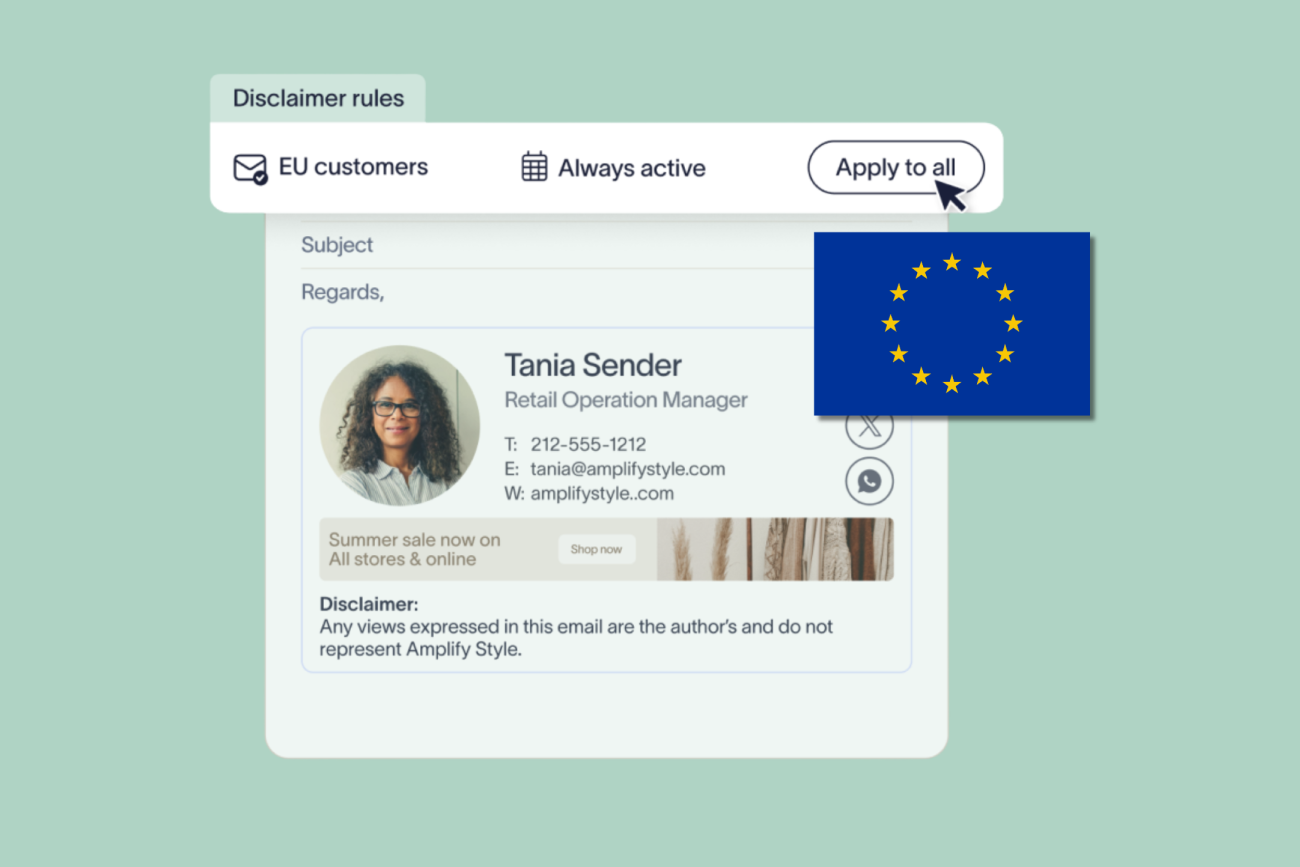
GDPR email disclaimers aren't limited to marketing emails; they apply to all business emails that involve the processing of personal data. Whether it's a marketing message or a general business communication, if the email contains or references personal information (like names, email addresses, or any other identifying data), it needs to comply with GDPR.
This means it's important to add appropriate disclaimers to inform recipients of how their data is handled and their rights under GDPR. Essentially, any email that involves personal data should follow GDPR rules, not just marketing-specific emails.
Let’s break down the distinction between marketing emails and general business emails in the context of GDPR compliance, along with key considerations for each:
Marketing emails
These are emails that promote products, services, or brands. They’re often part of a campaign aimed at driving sales or engagement.
Since marketing emails involve direct targeting of individuals, GDPR places stricter rules around them.
Key considerations for marketing emails under GDPR:
Consent: You must obtain explicit consent from individuals before sending them marketing emails. This means they should have opted in to receive these communications.
Data processing: Be transparent about how you collect, store, and use personal data (email addresses, preferences) for marketing purposes.
Opt-out options: Every marketing email must include an easy way for the recipient to unsubscribe from future communications.
Privacy notice: You need to inform recipients about how their data will be used and their rights under GDPR. A disclaimer typically explains these aspects, such as data retention policies and the recipient’s right to access or erase their data.
Legitimate interest: In some cases, organizations may justify sending marketing emails under "legitimate interest," but they still need to respect individuals’ rights and provide opt-out options.
General business emails
These emails are everyday communications between employees, clients, suppliers, and partners.
Although they may not focus on promotion, they can still involve processing personal data, and therefore are subject to GDPR.
Key considerations for general business emails under GDPR:
Data protection: If your email includes personal information (like an individual’s contact details, business role, or performance data), GDPR regulations apply. You need to ensure the data is handled securely and in accordance with GDPR principles.
Confidentiality: Personal data shared in general business emails should be limited to what's necessary for the purpose of the communication. Too much personal information can breach GDPR requirements.
Data subject rights: Recipients have the same rights as marketing emails, including the right to know how their data is processed, the right to request deletion, and the right to object to certain uses of their data.
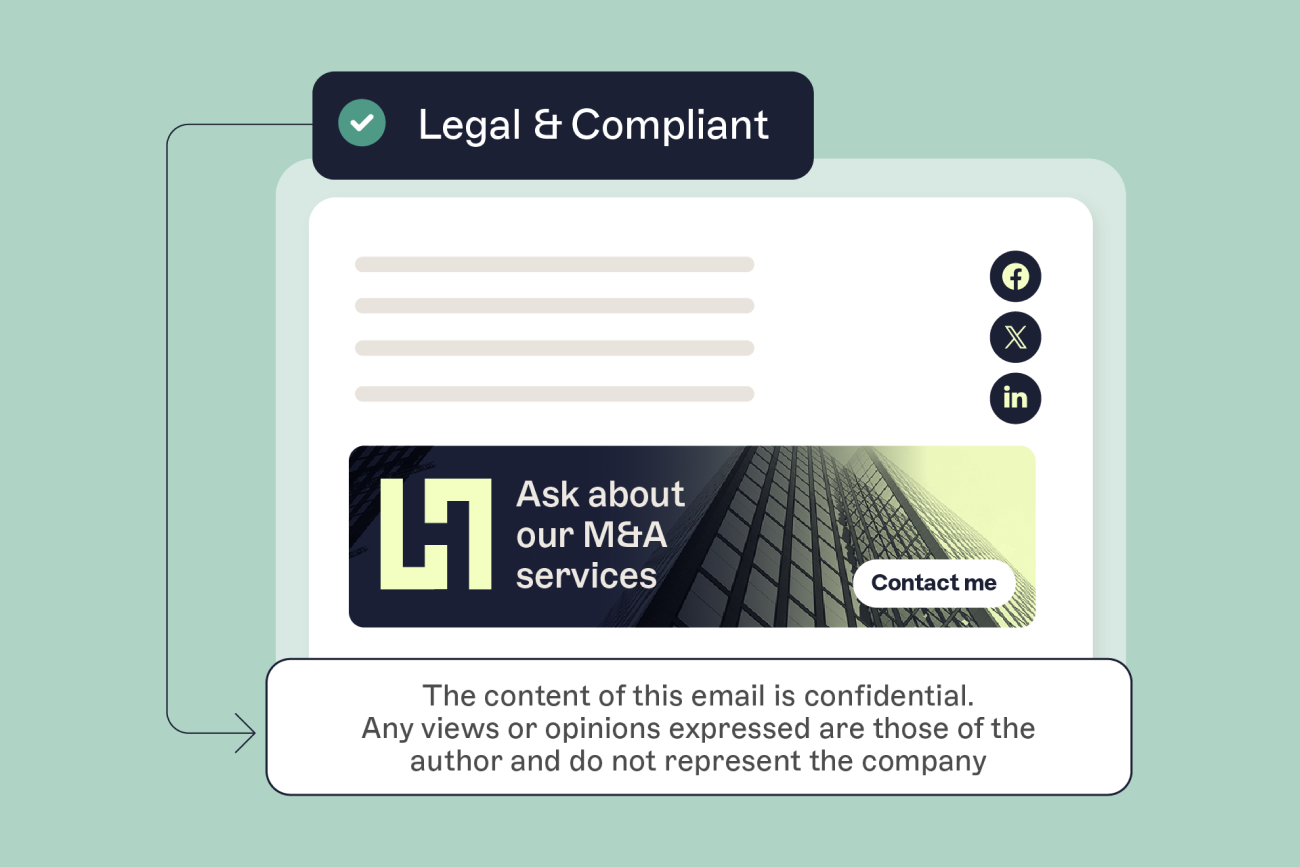
Disclaimers: While not as complex as marketing emails, general business emails often include a disclaimer that ensures recipients understand the handling of their personal data.
For newcomers, this Dummies eBook introduces email signature fundamentals and legal disclaimer context. Get your free copy of our official guide below.
Why you need a GDPR email disclaimer
A GDPR email disclaimer is an essential component of ensuring your business complies with data protection laws while building trust with your email recipients. While GDPR doesn’t specifically mandate email disclaimers like other regulations such as HIPAA or CASL, it’s still a good practice to include one in your emails.
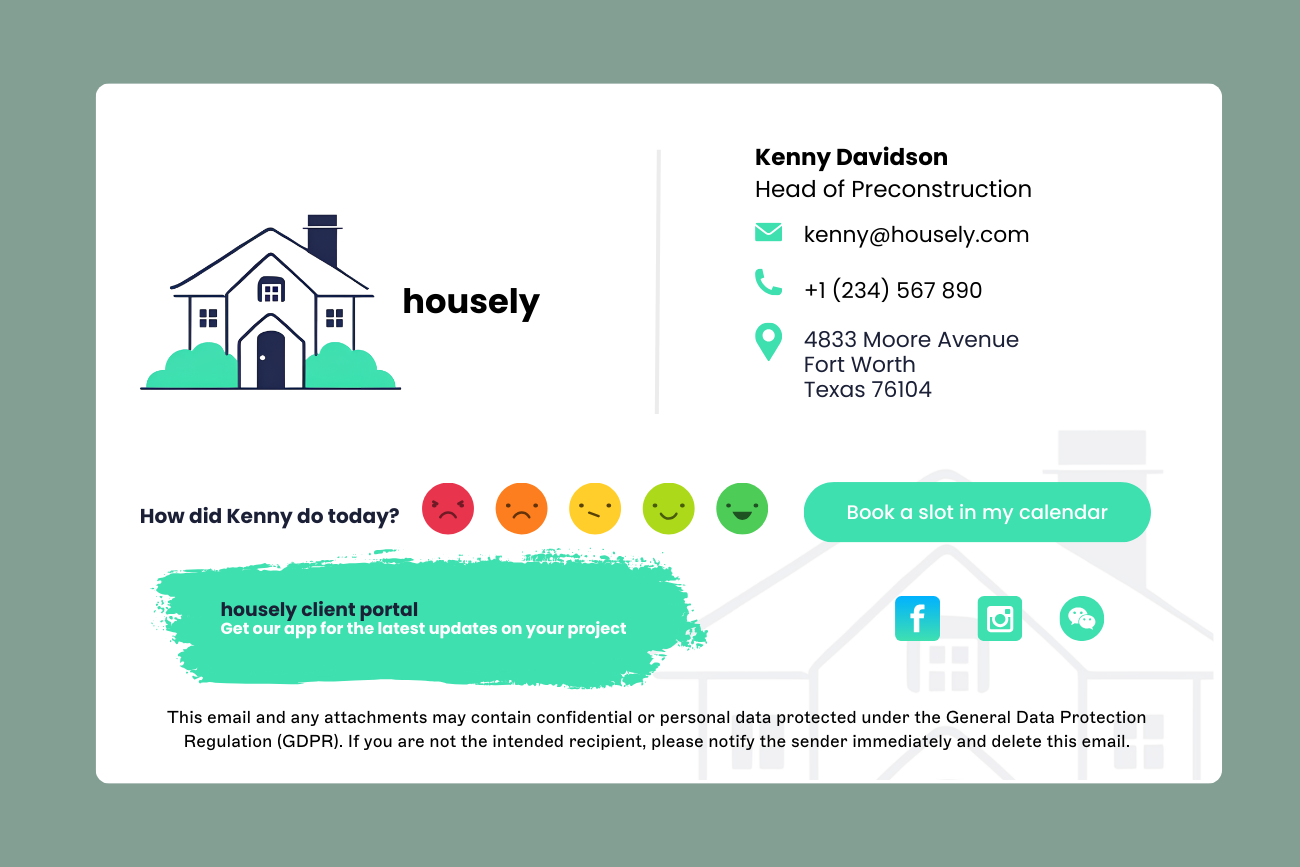
Adding a GDPR-compliant email disclaimer reassures recipients that your company takes data privacy seriously. It’s also an excellent way to state your commitment to GDPR compliance.
By adding simple text and linking to your privacy policy, you can demonstrate the steps your organization has taken to process personal data in accordance with the law. Remember, your privacy policy should be written in plain language so recipients can easily understand how their data is handled.
How does a GDPR email disclaimer help?
In either case, having a knowledgeable GDPR email disclaimer can help recipients understand how their data is being processed, and their rights. It shows that your organization has a clear GDPR policy in place and that you conform to the high standards expected of this regulation.

When it comes to creating a GDPR email disclaimer, it can be challenging to decide what to include for compliance purposes. After all, there aren’t any concrete rules in place when it comes to the use of email disclaimers and GDPR.
7 examples of GDPR email disclaimers
So, what text should you include to help showcase your GDPR compliance to email recipients? Below are the top email disclaimer examples we’ve created to answer this question.
Note that email disclaimers should be tailored to your own business needs, and you should consult with your company's legal advisor if appropriate.
Examples of marketing email disclaimers
Examples of general business email disclaimers
Creating your new GDPR email disclaimer
You can add your GDPR email disclaimer directly into your employees’ email client such as Outlook or Gmail. It’s quick and easy-to-do. However, if you want to ensure everyone in your company is using the same disclaimer text, this becomes more difficult.

You’re going to have to rely on each user copying and pasting the content into their email client. On the other hand, you may have to ask your IT department to visit everyone’s desk individually. Even after all that, there’s no guarantee people won’t delete the disclaimer or modify the text.
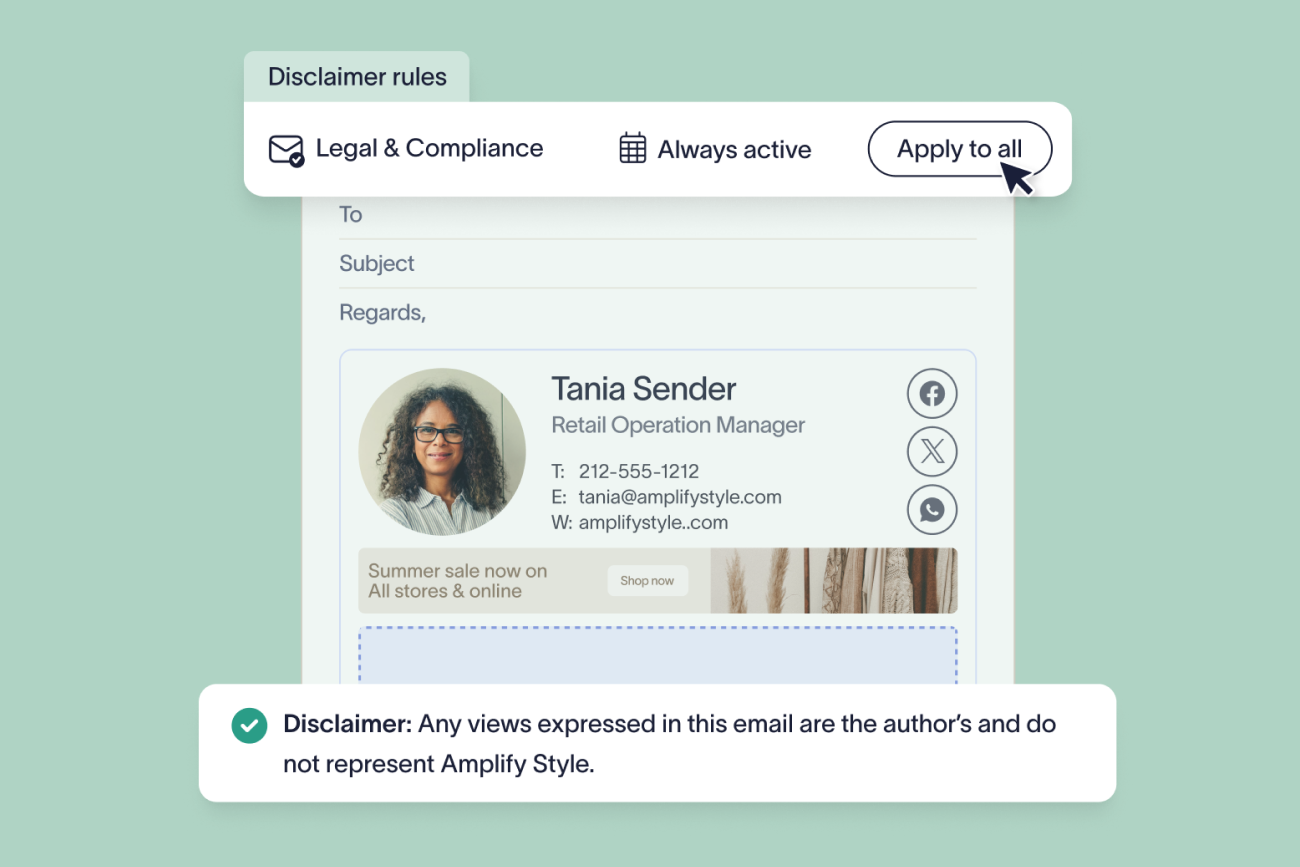
Instead, many companies opt to “stamp” every email with an appropriate disclaimer. They do this by using Transport Rules in Office 365 (Microsoft 365) and Microsoft Exchange Server or the Append Footer setting in Google Workspace. This means that after someone sends an email, the text is automatically added.
With this setup, the GDPR disclaimer is automatically added to all emails after they’re sent, ensuring consistency. However, be aware that these disclaimers can stack at the bottom of email threads, cluttering conversations. This could lead to extra work for your IT team when managing and maintaining clean email formats.
An automated email disclaimer solution saves time and ensures compliance, making it the preferred choice for businesses looking to streamline their processes while adhering to GDPR requirements.
Centrally create GDPR email disclaimers
So, what’s the best way to easily manage a GDRR email disclaimer without causing your IT department undue stress?
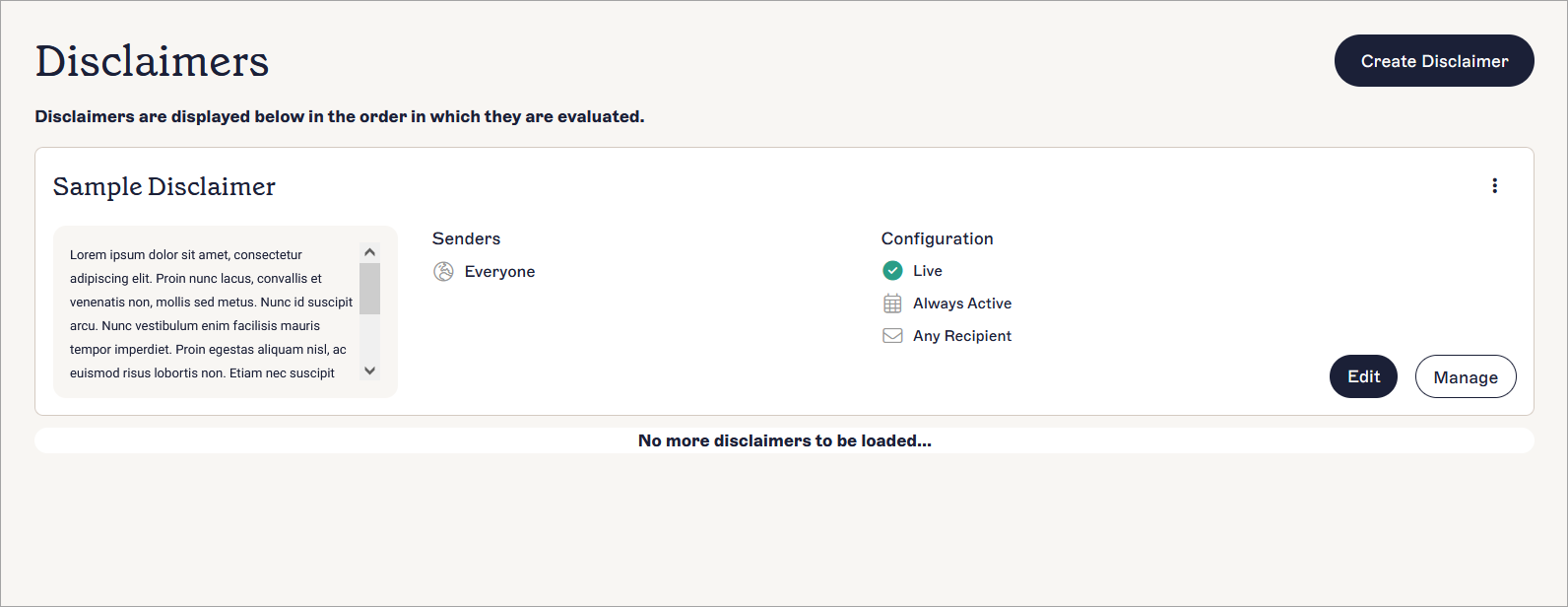
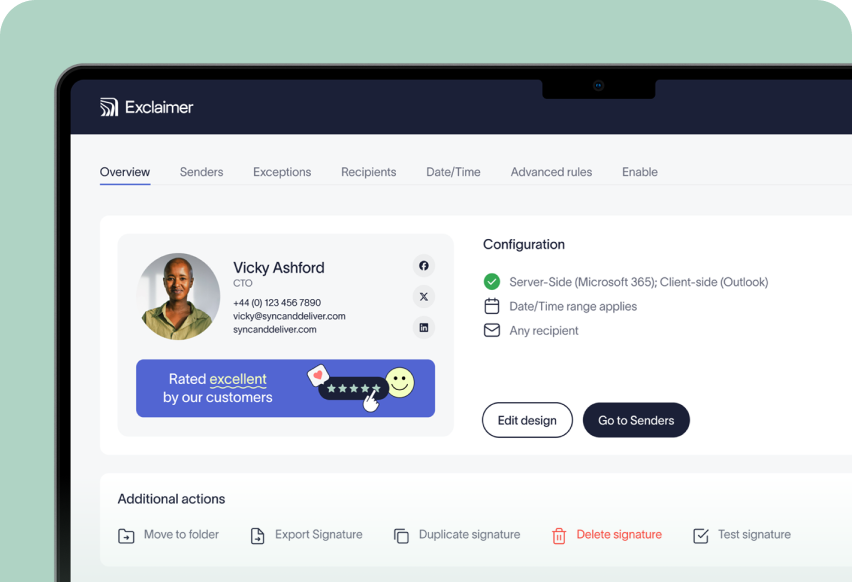
Email signature software from Exclaimer gives all users the most consistent, professional and legally compliant email disclaimers. That includes emails sent from mobiles, Macs and automated CRM systems.
Get total control over GDPR email disclaimers.
Automatically place email disclaimers on all outgoing messages.
Create specific versions for replies and internal purposes.
Make massive cost savings by reducing the load on staff.
Apply disclaimer updates instantly with a single click.
Learn more about Exclaimer or get yourself a free trial to see the power of email signature software for yourself.