



How to manage email signatures after a merger with Exclaimer
24 March 2026
0 min read
TL;DR
Use Exclaimer to manage all email signatures from one platform across merged companies
Create standardized templates and lock branding to prevent user edits
Sync directory data so user details update automatically in every signature
Apply rules to assign the right signature by role, region, or brand
Deploy signatures server-side so they’re applied consistently across all devices
Manage updates centrally and adjust templates or rules as integration progresses
Mergers and acquisitions are high-stakes. They come with significant costs, tight timelines, and pressure to present a unified organization from day one. In theory, everything should align quickly. In practice, it rarely does.
One of the first areas where this breaks down is email signatures. As teams and systems come together, employees continue using different formats, outdated company details, or missing disclaimers. That means inconsistent communication across every email your company sends.
Exclaimer gives IT a way to manage email signatures centrally across the entire organization. It allows teams to apply consistent branding and disclaimers, assign signatures using directory data, and roll out updates across all users without relying on manual changes.
This guide shows how to manage email signatures after a merger using Exclaimer, with a step-by-step approach that IT teams can apply immediately.
How to manage email signatures after a merger with Exclaimer
After a merger or acquisition, email signatures need to work across multiple systems, domains, and business units. Without a structured approach, inconsistencies build quickly.
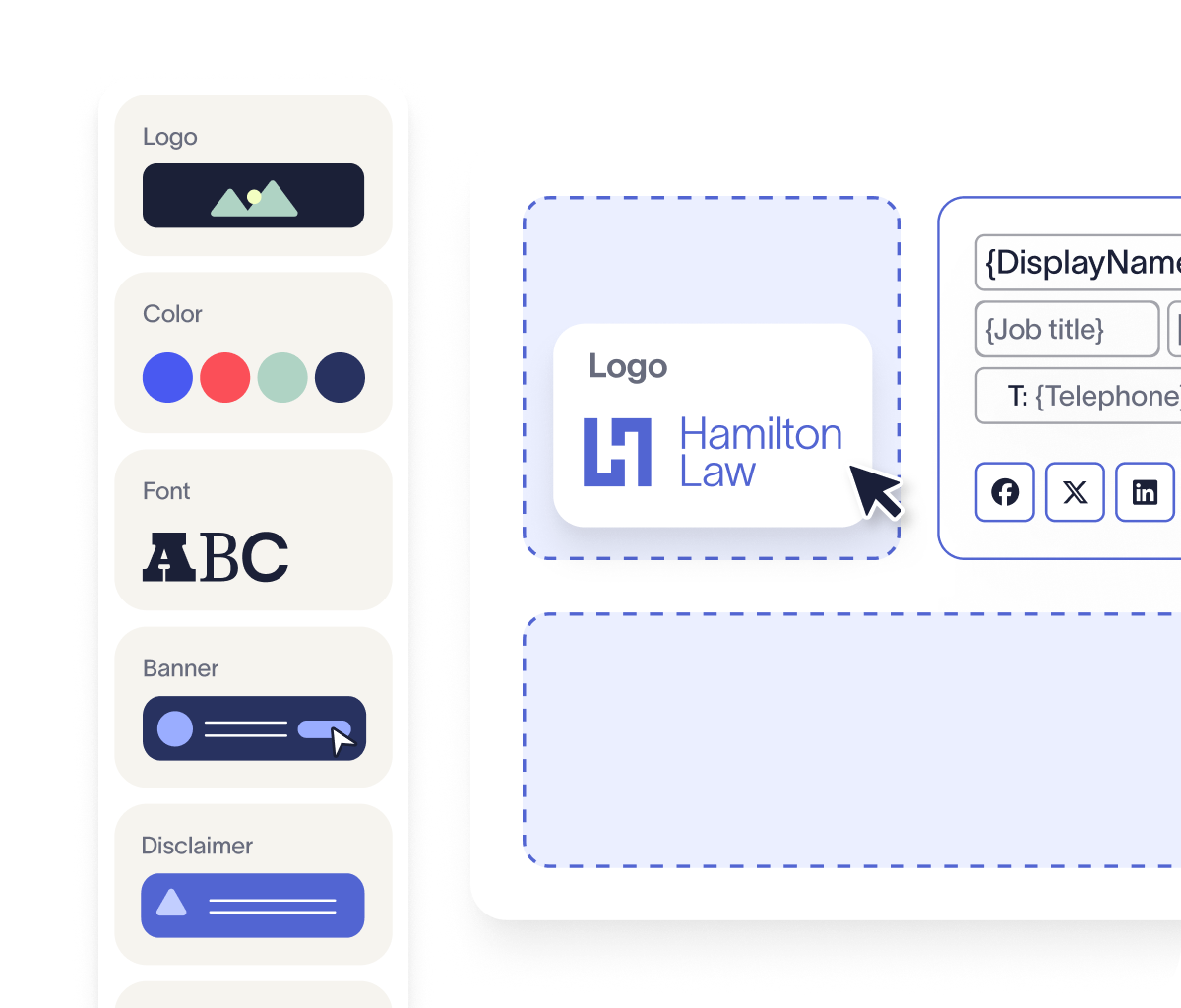
Exclaimer addresses this by combining centralized templates, directory sync, and rule-based assignment, so signatures can be managed consistently across the organization.
Follow these steps to standardize email signatures across merged teams.
1. Review signatures and platforms
Use the Exclaimer portal to assess what needs to change.
Compare formats from both organizations
Identify differences in branding and disclaimers
Confirm which email platforms are in use
Check how signatures are currently applied
2. Build templates in the editor
Create templates using Exclaimer’s drag-and-drop editor.
Set a consistent layout and branding
Add user fields such as name, title, and contact details
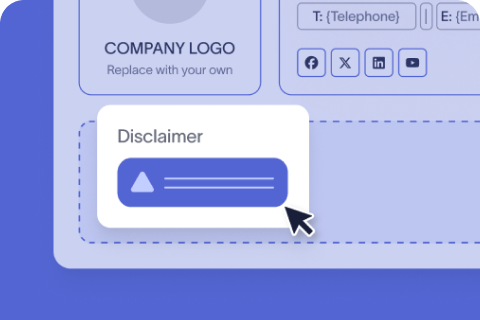
Include required legal disclaimers
Lock elements so users can’t edit them
3. Sync directory data
Connect Exclaimer to Microsoft 365 or Google Workspace.
Pull user attributes from Entra ID or Google Directory
Map fields directly into the template
Keep signatures updated as user data changes
4. Apply rules across teams, brands, and scenarios
Use signature rules to manage variation across the merged organization.
Assign signatures by department, role, or region
Apply different signatures for internal and external emails
Set variations for replies and forwards
Support multiple brands or domains in one setup
Apply specific disclaimers where required
5. Deploy signatures across all devices
Set up server-side deployment in Exclaimer.
Apply signatures as emails are sent
Maintain consistent formatting across desktop, web, and mobile
Remove reliance on user-installed signatures
6. Give teams access without losing control
Use role-based access control to manage ownership.
Allow Marketing or Communications to update templates
Keep IT in control of rules, deployment, and permissions
Limit who can edit specific elements
7. Preview and test before rollout
Use built-in preview and testing tools.
Check how signatures appear during email composition (Outlook Add-in)
Validate rule assignments across user groups
Confirm disclaimers and user data are correct
8. Manage updates and phased changes centrally
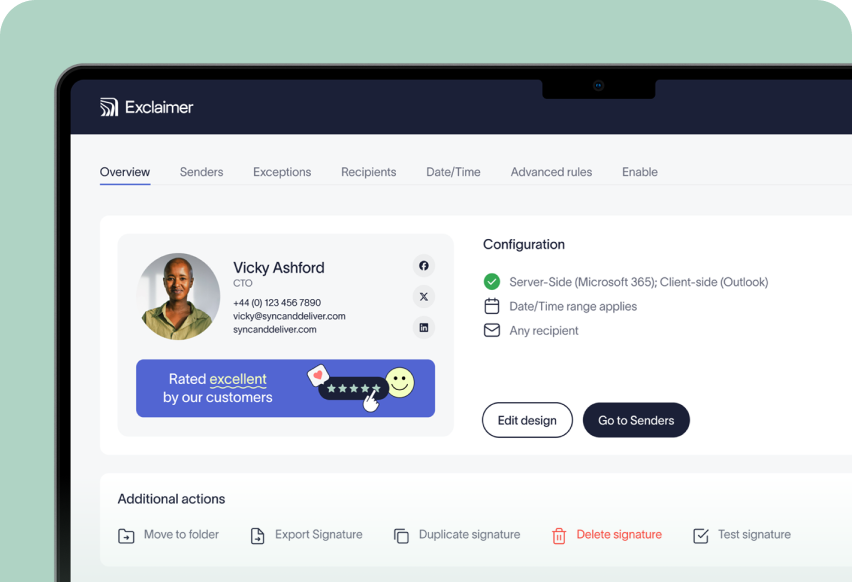
All updates are handled in the Exclaimer portal.
Update templates once and apply changes across all users
Schedule updates for phased rollout during integration
Adjust rules as teams or structures change
Mergers often require staged communication. Exclaimer allows you to run different templates and rules in parallel, then update them centrally as integration progresses.
What happens to email signatures after a merger
After a merger, email signatures become inconsistent across the organization.
 Each company starts with its own formats, templates, and rules. As teams and systems come together, those differences begin to show in everyday communication.
Inconsistent formats across teams
Employees continue using existing signatures. Some follow previous brand guidelines, while others make their own changes. Over time, this leads to noticeable differences in layout, structure, and branding across the organization.
External recipients see different versions of the company depending on who sends the email, which makes the organization appear fragmented.
Outdated company information
Company names, job titles, and contact details often change during a merger. Without a central way to update signatures, older information remains in use.
As a result, emails may include incorrect details, which creates confusion and slows down communication.
Inconsistent disclaimers and compliance gaps
Legal requirements can differ between entities. During a merger, email disclaimers are often applied unevenly or removed.
This increases risk, especially in regulated industries where specific wording needs to be included in every email.
No central control across platforms
Merged organizations often use a mix of Microsoft 365, Google Workspace, or legacy systems. Each environment handles signatures differently.
Because of this, IT teams end up managing updates separately, which adds effort and makes it harder to maintain consistency.
Manual updates don’t scale
Sending templates or instructions to employees doesn’t work at scale. Updates are missed, formatting changes, and support requests increase.
Over time, this creates ongoing maintenance work for IT and leaves signatures inconsistent across the organization.
Why manual email signature management breaks during a merger
Manual processes don’t scale once organizations merge and systems need to be aligned.
Employees are responsible for updating signatures, which means changes are often missed or applied inconsistently
Different platforms require separate configuration, so signatures are managed in different ways across the organization
Branding and disclaimers vary across teams when there is no central control in place
Updates take time to roll out, which leads to delays and inconsistent communication during integration
How Exclaimer improves this
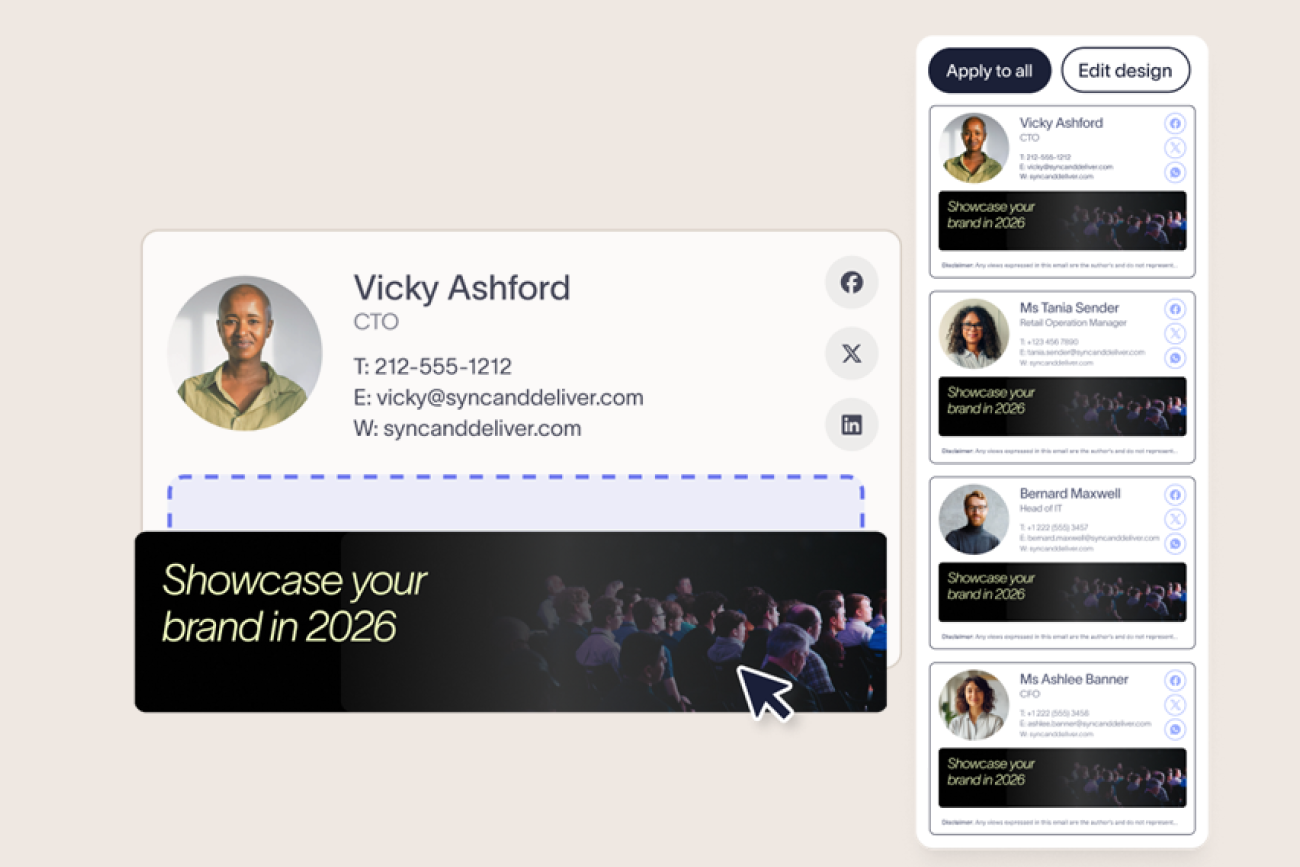
Templates provide a consistent structure for formatting and branding across all users
Directory sync keeps user data aligned with current information without manual updates
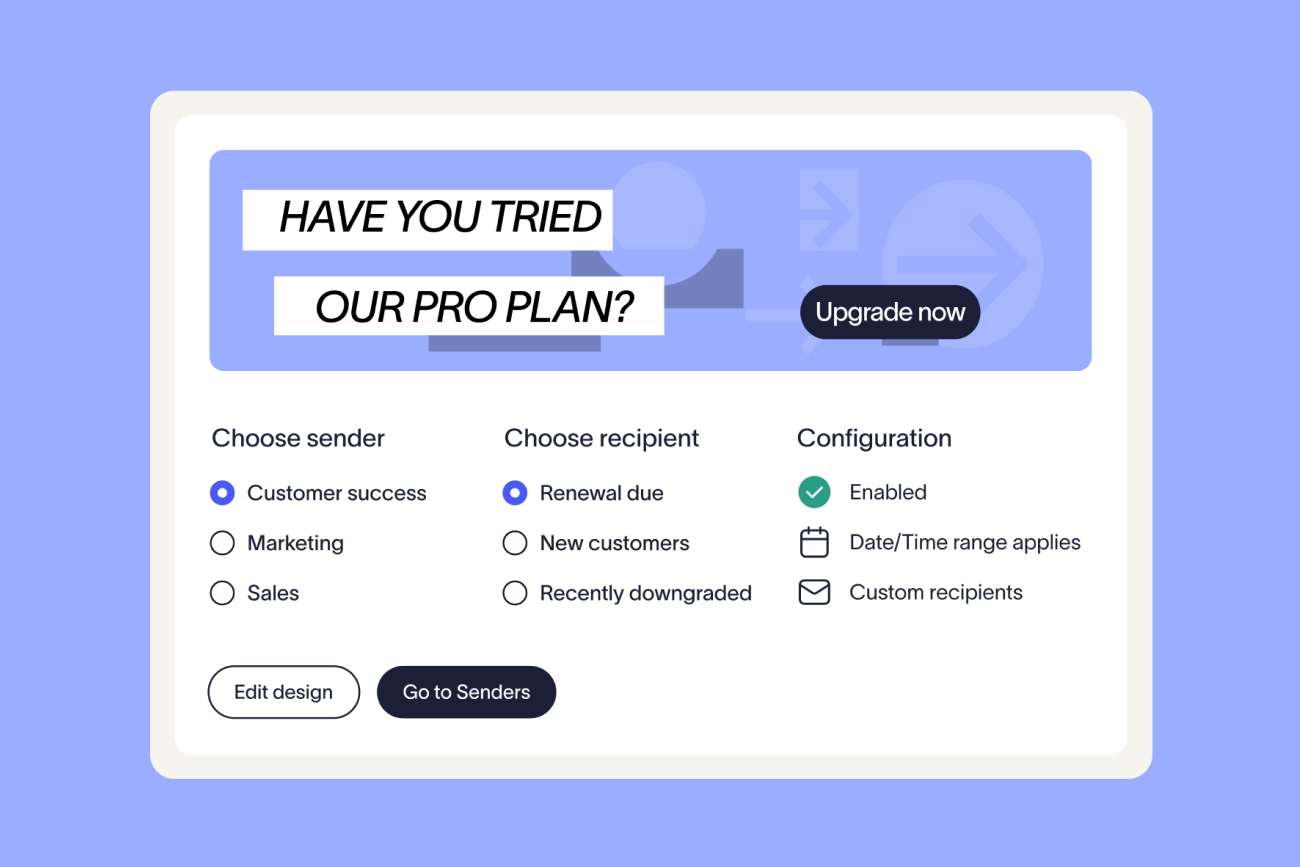
Rules assign the correct email signature based on role, region, or entity
Server-side deployment applies email signatures automatically to every email, regardless of device
Common challenges when managing email signatures during a merger
Email signature issues don’t stay contained during a merger. They tend to appear early in day-to-day communication, often before other systems are fully integrated.
These are the most common problems teams run into.
Mixed branding across outbound emails
After a merger, teams often continue using existing email signatures. External contacts receive emails with different company names, logos, and messaging.
This creates confusion during a period when communication needs to be clear and consistent, and it can affect how the organization is perceived.
With Exclaimer, templates standardize signatures across all users. Variations for different brands or entities can still be controlled from one place.
Old company details still in use
Mergers often involve changes to company names, roles, and contact details. Without a central update method, older information stays in circulation.
As a result, emails may include outdated job titles or incorrect contact details, which slows communication and creates unnecessary follow-ups.
With Exclaimer, user data is pulled from your directory and applied to signatures automatically, so changes are reflected without manual updates.
Disclaimers don’t align across entities
Legal requirements can differ between regions or business units. During a merger, disclaimers are often applied inconsistently or missed entirely.
This creates compliance gaps, especially when different entities are subject to different regulatory requirements.
With Exclaimer, disclaimers are applied through rules, so the correct version is included based on user or recipient conditions.
Separate systems create fragmented control
Merged organizations often operate across multiple email platforms. Each system handles signatures differently, which makes it difficult to apply changes consistently.
Because of this, IT teams end up managing updates in parallel, which increases effort and reduces visibility.
With Exclaimer, signatures are managed in one platform and applied across supported email environments, so updates don’t need to be handled separately.
Manual processes slow everything down
Relying on employees to update their own signatures rarely works during a merger. Instructions are missed, formatting changes, and support requests increase.
This adds pressure to IT teams, who are already managing system integration and migration at the same time.
With Exclaimer, signatures are applied automatically as emails are sent, removing the need for user action and reducing support overhead.
Limited visibility during rollout
Mergers rarely happen all at once. Changes are introduced in stages, and it’s not always clear which signatures are live across the organization.
Without visibility, it becomes difficult to confirm that updates have been applied correctly across all users.
With Exclaimer, signatures can be previewed and tested before rollout, and updates can be adjusted centrally as changes are introduced.
Bringing email signatures under control after a merger
Managing email signatures during a merger requires a clear way to apply changes across the entire organization.
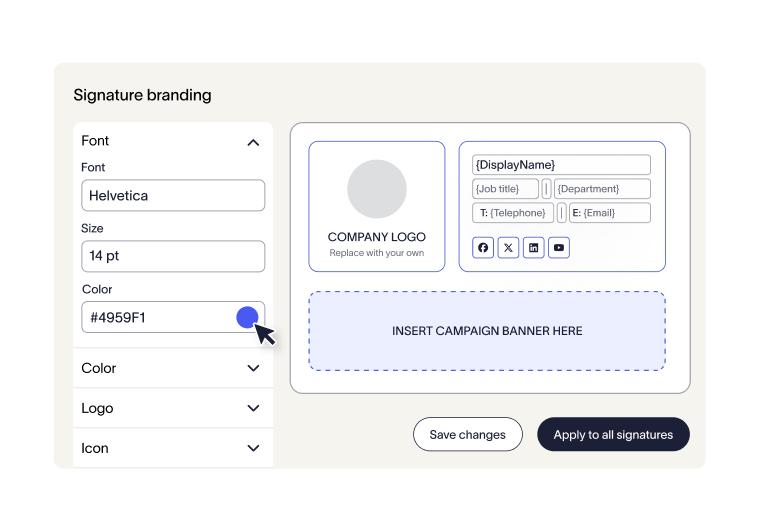 Without that, differences in branding, user details, and disclaimers start to appear in everyday emails. These inconsistencies are visible to customers and partners, and they create additional work for IT when handled manually.
Post-merger integration depends on standardizing how teams operate and communicate. Email signatures are one of the fastest areas to bring under control, because they are applied across every user and every email.
With Exclaimer's platform, email signatures are managed centrally from one place. Templates define how signatures are structured, rules control where they’re applied, and directory sync keeps user details up to date. Changes are made once and applied across all users, which keeps communication consistent as teams and systems come together.
Start a free trial of Exclaimer
If you need a way to manage email signatures across merged teams, you can try Exclaimer in your own environment before rolling it out more widely.
Set up templates, connect your directory, and apply signatures across Microsoft 365 or Google Workspace. You can test how signatures are assigned, confirm how updates are applied, and see how the setup works within your existing systems.
Start a free trial to see how it works in practice and how quickly you can standardize email signatures across your organization.