



How to update legal disclaimers across the whole company with Exclaimer
25 March 2026
0 min read
TL;DR
Manage legal disclaimers centrally rather than through manual edits or user-controlled settings to ensure consistency.
Avoid manual updates at scale—they break down across devices, teams, and regions.
Use native Microsoft 365 or Google Workspace tools for basic rules, but choose a dedicated solution when disclaimers need to vary or require tight control.
Update disclaimers once with Exclaimer and apply them automatically using rules and directory data across all users.
Quick answer |
|---|
To deploy legal disclaimers company-wide, use Exclaimer's centralized email signature management platform. Create your disclaimer content once, configure rules based on user attributes or message conditions, and the system automatically applies the correct disclaimer to every outgoing email across all devices. |
The most reliable way to update legal disclaimers across a company is to manage them centrally rather than relying on end users, local email signature settings, or manual edits. That matters when disclaimer wording changes, different regions need different legal text, or IT needs confidence that every message includes the right content.
This gets difficult fast in Microsoft 365 and Google Workspace environments. Messages are sent from desktops, web clients, and mobile devices. Teams may need different disclaimers. Legal text may need to be changed by department, country, or brand. When updates are handled manually, consistency breaks down, and IT ends up chasing exceptions.
Exclaimer gives organizations a centralized way to control legal disclaimers across all users and email clients. IT can update disclaimer content once, apply rules based on user attributes or message conditions, and keep email communications aligned without turning every change into a manual rollout.
What is centralized disclaimer management? |
Centralized disclaimer management is the practice of controlling all legal disclaimer content, formatting, and deployment from a single platform rather than relying on individual users or local email settings. This approach ensures consistent legal text across the organization and eliminates the need for manual updates at each workstation. |
Why is it hard to manage email disclaimers across an organization?
Updating legal disclaimers across a company starts with centralizing control. If the process depends on users editing their own email signature, updates will be slow, inconsistent, and hard to verify.
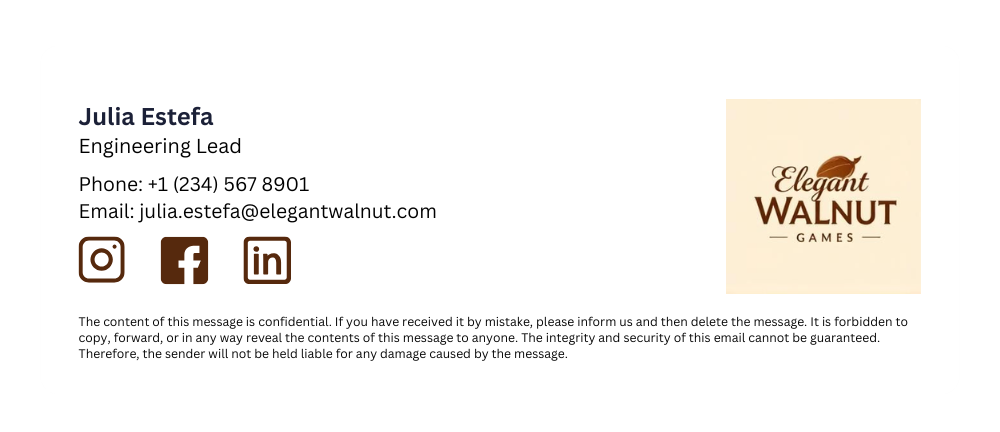
Common challenges with manual disclaimers
Manual disclaimer management creates several recurring problems:
Updates depend on users remembering to make changes
Different versions of legal text circulate simultaneously
Mobile and webmail clients often get missed
IT has no visibility into what was actually applied
Compliance verification becomes time-consuming
A better approach is to manage disclaimer content from one place, then apply it automatically based on the rules your business needs. That usually means deciding:
Which users need the disclaimer
Whether the wording changes by region, brand, or department
Which messages should include it
How it should appear across desktop, webmail, and mobile
Once those rules are in place, IT can update the disclaimer text once and roll the change out across the organization. That cuts out manual edits and makes it easier to keep legal wording consistent.
With Exclaimer, that process is managed centrally. IT can create and update disclaimer content, apply it automatically using directory data and rules, and keep the rollout consistent across Microsoft 365 and Google Workspace.
How do I centrally manage email disclaimers across all employees?
With Exclaimer, legal disclaimers are managed as a controlled, automated system rather than a manual task. The platform connects to your email environment and applies disclaimers using templates, rules, and directory data.
Step-by-step summary |
|
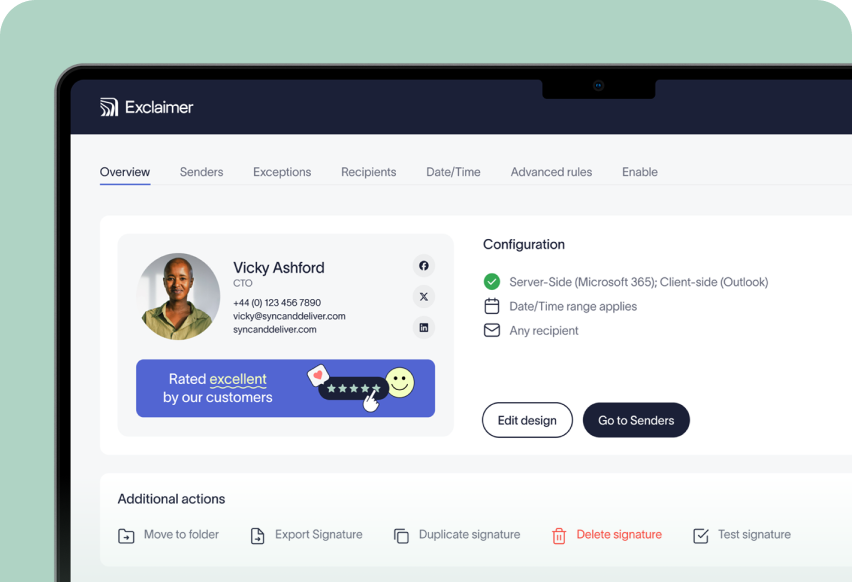
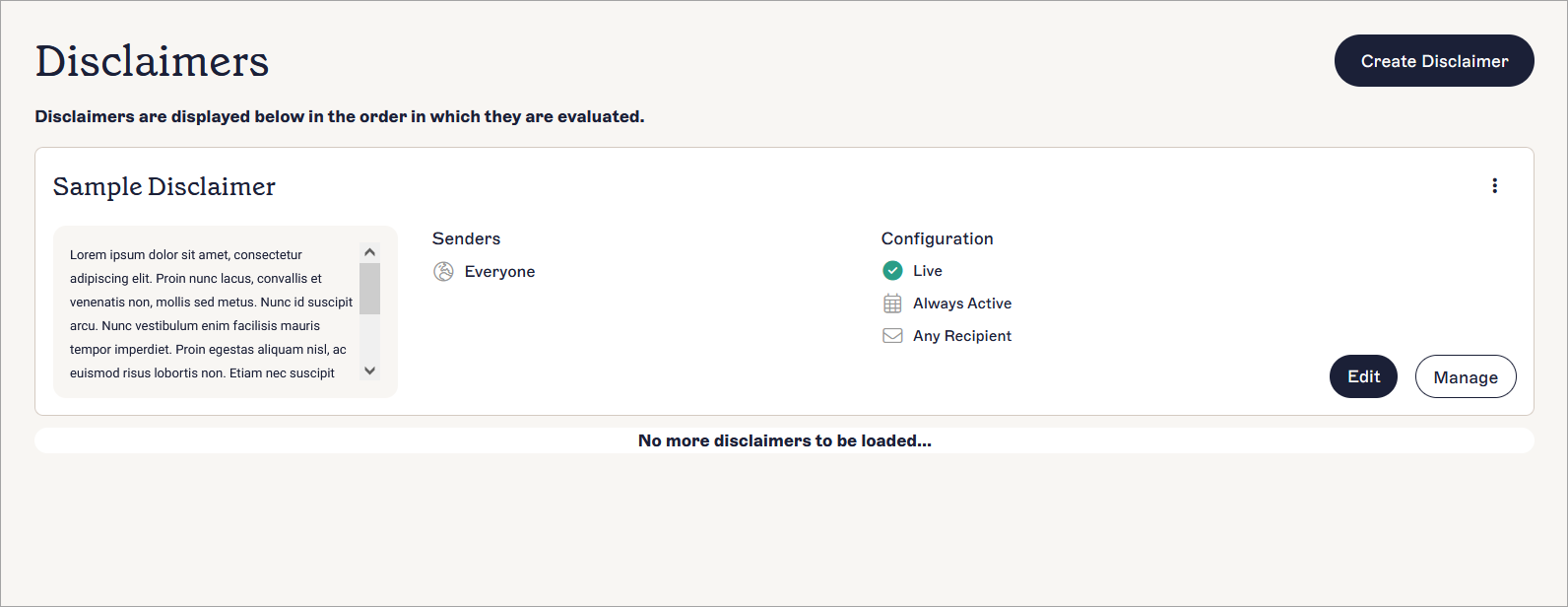
1. Create and manage disclaimers from the central dashboard
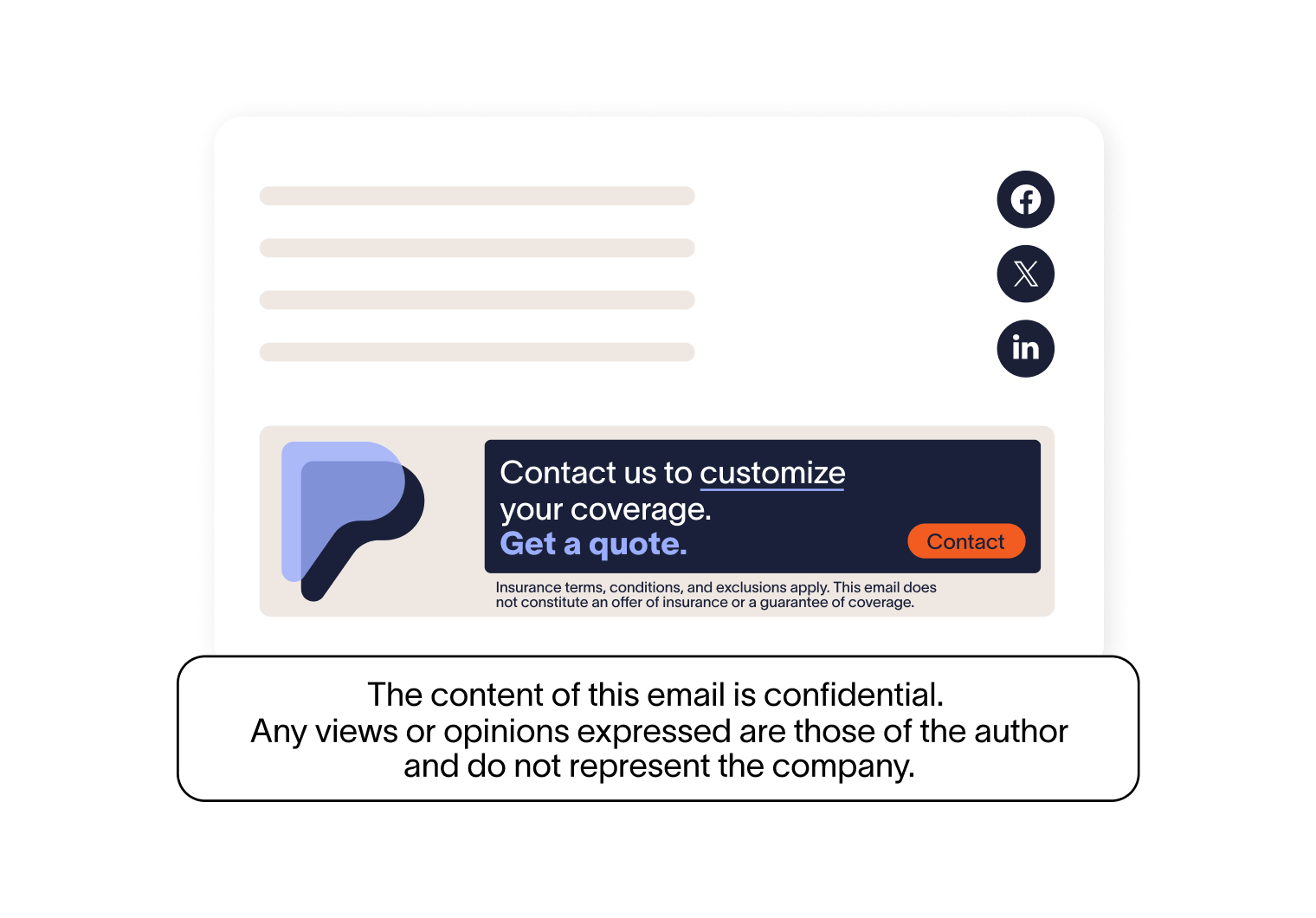
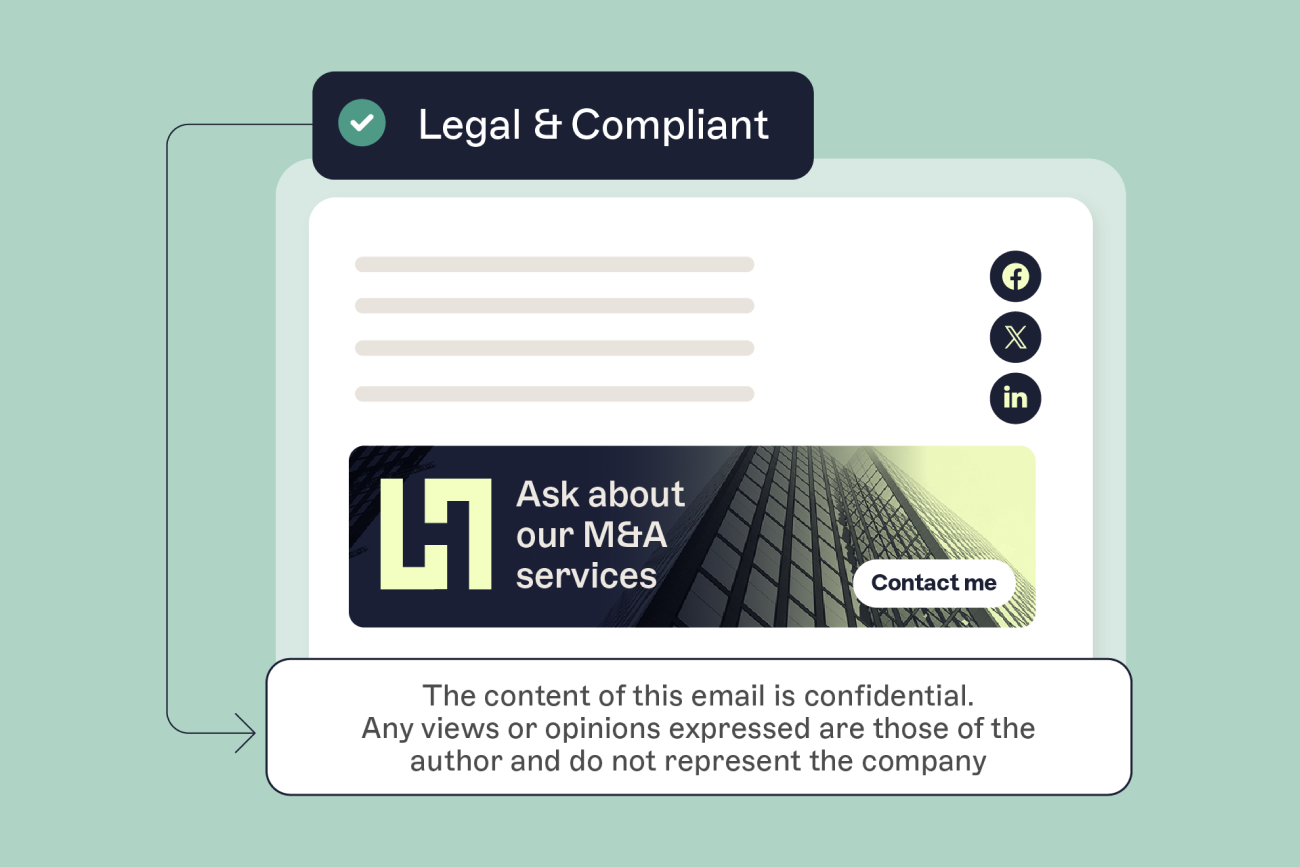
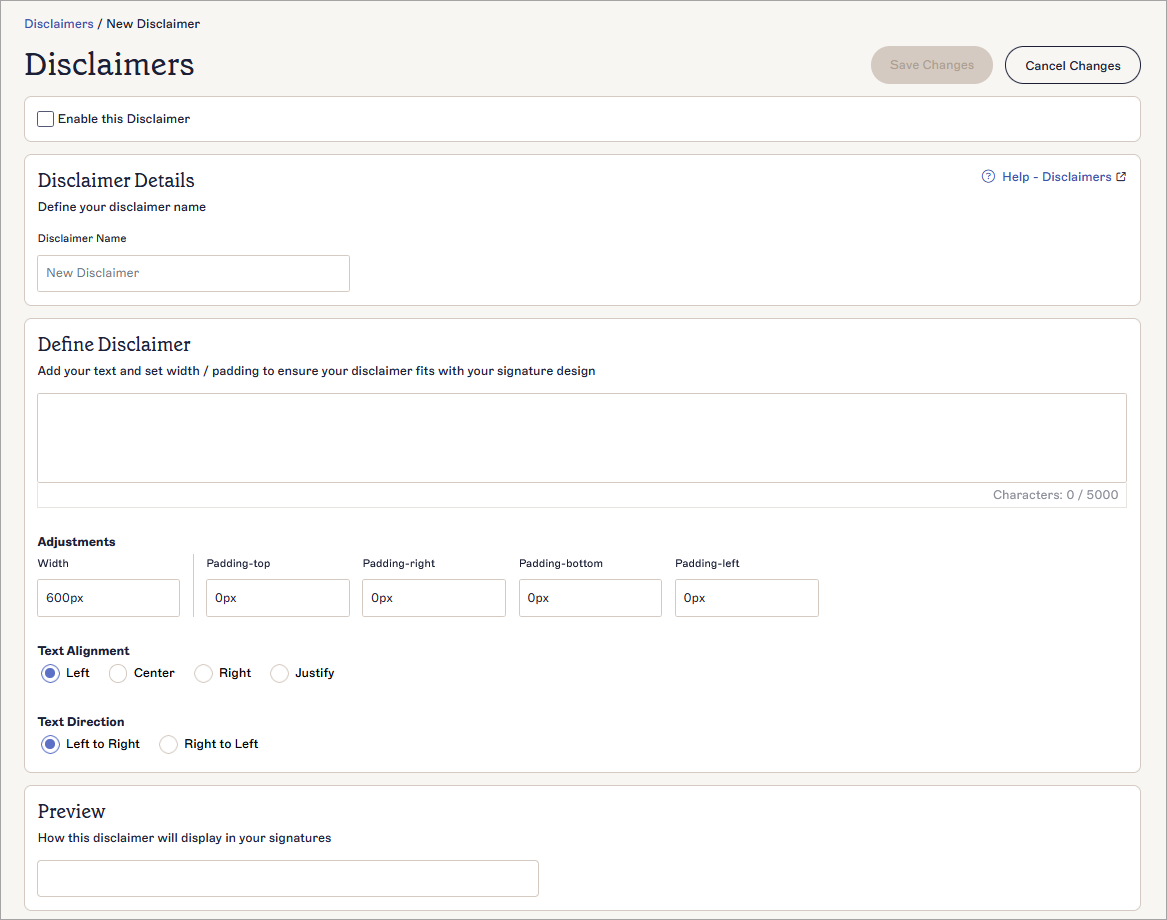
Exclaimer includes a dedicated Disclaimers feature that lets you create and manage legal text separately from individual templates. You can define disclaimer content, control formatting such as alignment and spacing, and preview how it will appear before applying it.
Disclaimers are then applied automatically alongside email signatures, so they don’t rely on users adding or updating them manually.
2. Design disclaimer layouts with the drag-and-drop editor
Exclaimer’s drag-and-drop designer lets you build and update email signatures and disclaimers without coding. You can add elements like legal text, logos, and dynamic fields, then adjust layout visually.
This means:
IT can control structure and formatting
Non-technical teams can update content safely
Disclaimers stay consistent across all emails
3. Sync user data automatically with directory synchronization
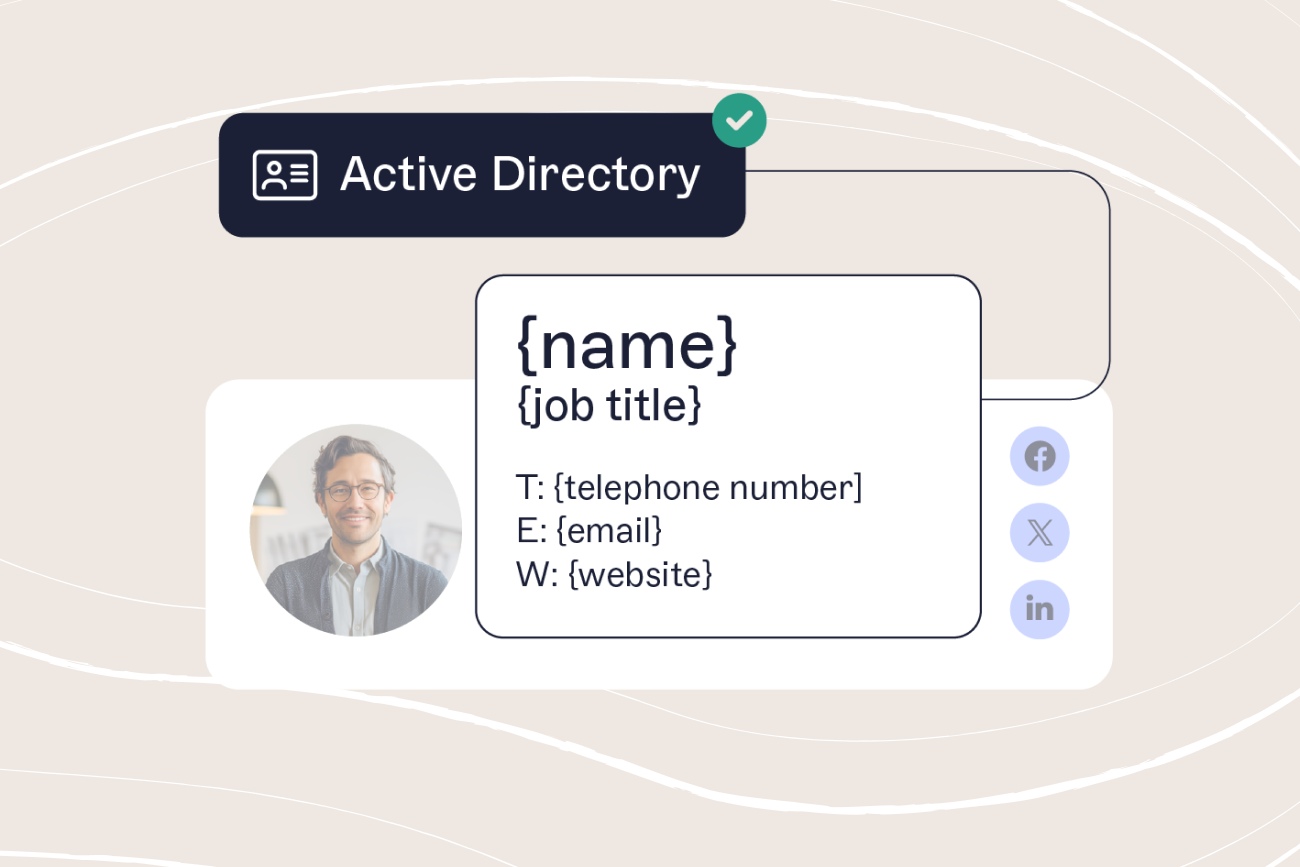
Exclaimer’s directory synchronization connects directly to Microsoft Entra ID or Google Workspace. It pulls user data such as job titles, phone numbers, and locations into email signatures automatically.
That allows you to:
Keep disclaimer context accurate across users
Avoid manual updates or CSV imports
Control which fields users can edit and which remain locked
4. Apply disclaimers automatically using signature rules
Exclaimer’s signature rules control when and where disclaimers appear. You can target disclaimers based on sender, recipient, group, or message conditions.
Policy-based targeting options:
Apply different disclaimers by country or legal entity
Show specific disclaimers for external emails only
Combine multiple elements, such as signatures and disclaimers, in one email
Rules are processed automatically, so the correct disclaimer is applied every time without user input.
5. Apply disclaimers consistently across all devices
Exclaimer applies signatures and disclaimers automatically as emails are sent, so coverage doesn't depend on the device or email client.
That means:
Disclaimers appear on desktop, web, and mobile
Users cannot remove or overwrite them
Formatting stays consistent across environments
6. Update once and roll out instantly
When legal wording changes, you update the disclaimer or template once in Exclaimer. The platform applies the update automatically across all users based on your rules.
There’s no need to:
Update individual mailboxes
Rely on users to make changes
Manage scripts or manual rollouts
Common legal disclaimer requirements by regulation |
|
What are the benefits of automating legal disclaimer management with Exclaimer?
Manual disclaimer management puts the burden on people and process. Exclaimer moves it into a system.
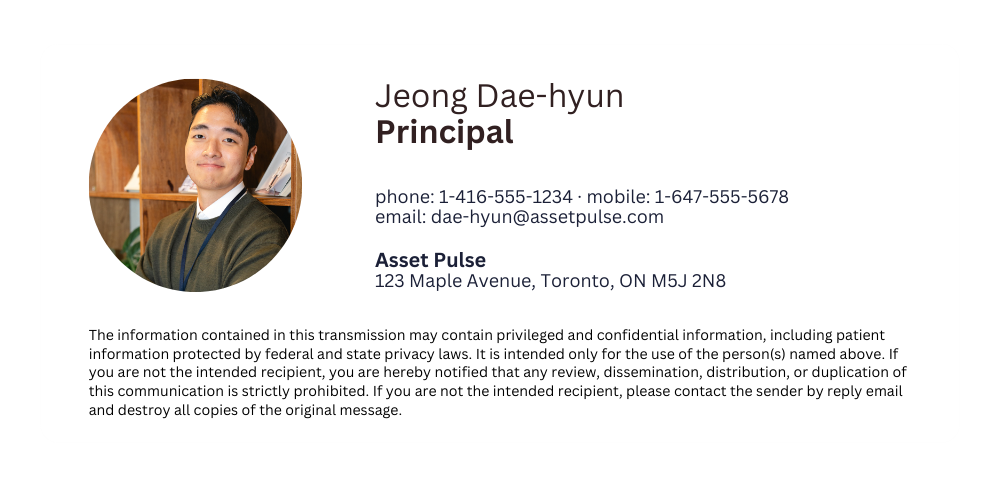 When disclaimers are handled manually, IT has to rely on scripts, local email signature settings, or users updating their own details. That slows down rollouts, creates inconsistencies, and makes it harder to prove the right wording was applied.
Exclaimer centralizes that work, so disclaimer updates are easier to control, easier to scale, and less dependent on individual users getting it right.
With manual management, teams often deal with:
Local edits that create inconsistent wording
Slower updates when legal text changes
Missing disclaimers on mobile or unsupported clients
No simple way to see what was changed or when
More support requests when formatting breaks
With Exclaimer, teams get:
Centralized updates
Update disclaimer text once from a single platform, without touching local installs or individual accounts.Rule-based assignment
Apply different legal text by department, location, or message type, so the right disclaimer appears where it should.Cross-device consistency
Apply disclaimers across desktop, web, and mobile, so coverage does not depend on where the email was sent from.Less manual work for IT
Roll out changes without scripting or asking employees to update anything themselves. Internal product messaging also positions this as a shift away from manual workstation updates and end-user intervention.Audit visibility
Track who made changes and when, which makes internal reviews and compliance checks easier to support.
Choosing the right solution: How Exclaimer stacks up
Below is a comparison of Exclaimer with other common email signature management platforms.
Feature | Exclaimer | CodeTwo | Symprex | Letsignit |
|---|---|---|---|---|
Centralized legal disclaimer control | ✅ | ✅ | ⚠️ Manual setup | ⚠️ Manual setup |
Server-side email processing | ✅ | ✅ | ❌ | ❌ |
Client-side preview support | ✅ | ✅ | ❌ | ✅ |
Dynamic disclaimer targeting (e.g., by user, group, location) | ✅ | ✅ | ⚠️ Limited | ⚠️ Limited |
Cross-platform compatibility (desktop, mobile, webmail) | ✅ | ⚠️ Outlook-focused | ⚠️ Desktop only | ⚠️ Gmail + Outlook |
Role-based access control (RBAC) | ✅ | ⚠️ Basic | ❌ | ⚠️ Basic |
Audit logging and template version history | ✅ | ⚠️ Basic | ❌ | ❌ |
Azure AD and Google Workspace integration | ✅ | ✅ | ⚠️ Manual sync | ✅ |
Dedicated compliance templates and TTL policy expiry | ✅ | ❌ | ❌ | ❌ |
Signature application for encrypted or hybrid email | ✅ | ⚠️ Partial | ❌ | ❌ |
Disclaimer preview in Sent Items | ✅ | ✅ | ❌ | ⚠️ Gmail only |
Support for granular policy conditions (region, device, department) | ✅ | ⚠️ Partial | ⚠️ Limited | ⚠️ Limited |
Directory sync with change tracking | ✅ | ⚠️ One-way sync | ❌ | ⚠️ Basic |
Enterprise-ready SLAs and support | ✅ | ✅ | ⚠️ Limited | ⚠️ Limited |
Recommendation |
Exclaimer is best for organizations requiring full cross-platform coverage, granular policy control, and enterprise compliance features. CodeTwo suits Outlook-heavy environments with simpler requirements. Symprex and Letsignit may work for smaller teams with basic needs but lack the scalability and audit capabilities larger organizations require. |
A better way to manage legal disclaimers at scale
Legal disclaimer updates should not require manual coordination across the business. A centralized approach gives IT a clear way to control how disclaimers are applied, keep wording consistent, and roll out changes quickly when needed.
Exclaimer makes that possible by managing disclaimer content, rules, and user data in one place.
Start your free trial and take full control of legal disclaimers across your organization.