Elisabeth leads Exclaimer’s global brand narrative, thought leadership, and research-led storytelling. With over 15 years’ experience in PR and B2B technology marketing, she is known for turning complex ideas into clear, compelling communications that resonate with global audiences.
Why Gen Z still emails when it matters

Gen Z is supposed to have given up on email. The story goes that anyone under 30 lives in direct messages and chat apps, and treats the inbox as something only older colleagues still check. Our survey of 2,000 adults tells a more interesting tale.
Yes, Gen Z still uses email, just more selectively than older generations. When a message carries weight, like a job application or a formal complaint, they turn to the inbox at rates close to everyone else's. For everyday conversation, they stay on chat apps. They've narrowed email to the moments that count.
Key findings
36% of Gen Z choose email for a job application, ahead of Boomers at 23%
42% choose email to make a formal complaint, 10 points behind Millennials at 52%
29% have lost an important message, more than twice the Boomer rate of 12%
31% have missed information sent to a platform they rarely check, the highest of any generation
17% never use AI in their communications, against 67% of Boomers
When it matters, Gen Z chooses email
For the moments that carry weight, Gen Z's first instinct looks much like everyone else's.
Asked how they would send a job application, 36% of Gen Z pick email, ahead of Boomers at 23%. For making a formal complaint to a company, 42% choose email. That trails Millennials, at 52%, by 10 points, and sits within range of Gen X (56%) and Boomers (54%).
The generational gap is real, but it's narrower than the headlines suggest, and it points to a difference in register rather than reach. Gen Z grew up with more channels to choose from, so email is what they hold back for the formal, considered end of the scale.
The divide is about formality, not trust
Younger people haven't downgraded email because they doubt it.
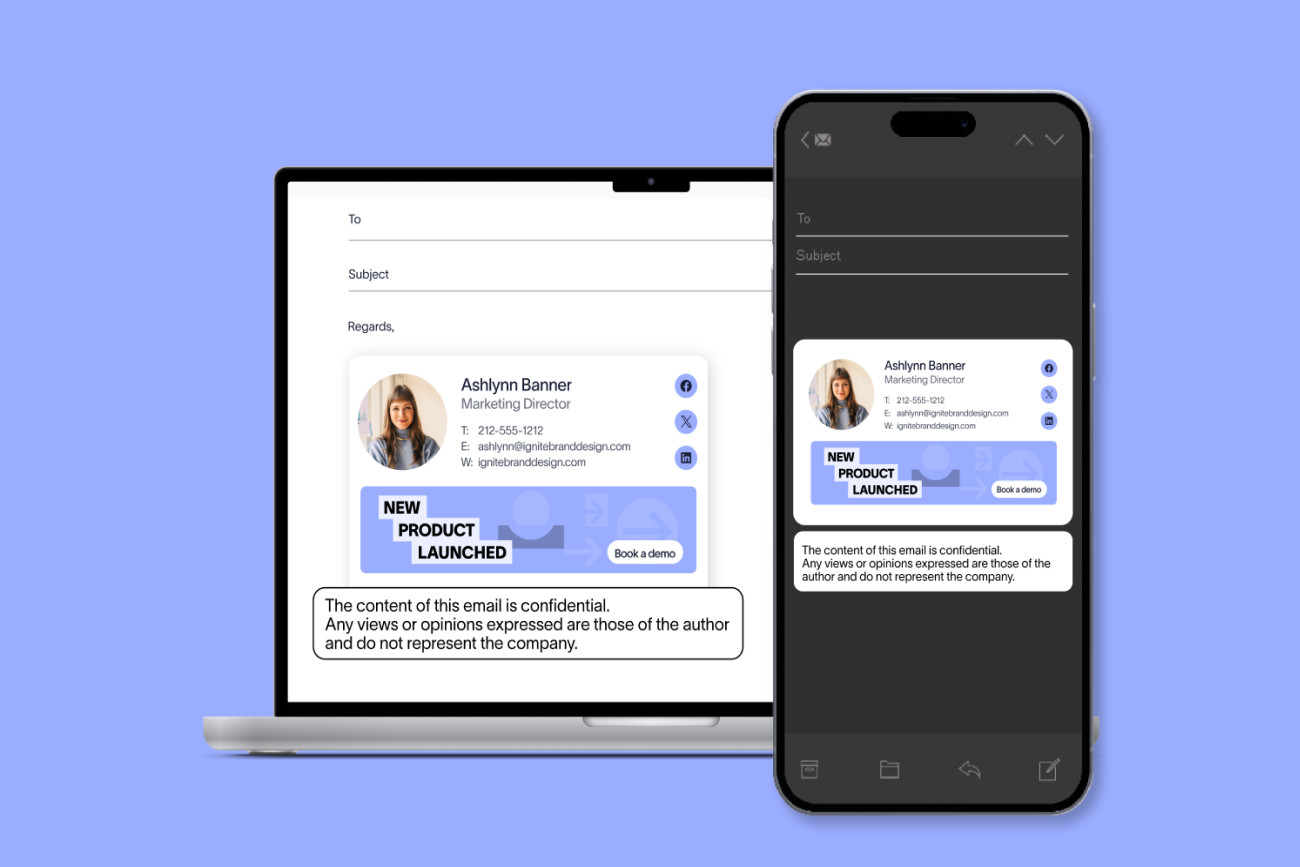
They hold business email to the same professional standards as older generations. 43% of Gen Z look for a professional email address on a company domain as a signal they can trust a message, close to the 46% of Boomers who say the same. And 29% point to a professional, branded email signature, well ahead of the 16% of Boomers who do.
When a serious email lands in a Gen Z inbox, it is read with the same eye for legitimacy as anyone else's. What shifts across generations is when email gets used, not how seriously it's taken.
The price of living on disappearing messages
The generation most comfortable on chat apps is also the one losing the most inside them.
Gen Z leads every measure of communication breakdown in the study.
Communication breakdown | Gen Z | Boomer |
Info to keep or refer back to | 70% | 56% |
Formal complaint | 69% | 51% |
Employer HR update | 58% | 47% |
The pattern is consistent. The more communication spreads across short-lived, scattered channels, the more often something important slips through a gap. Older generations route more of what matters to email and lose less of it. For Gen Z, the convenience of living across many apps comes with a standing risk that the message they need has already vanished.
Gen Z and AI
Gen Z is also the most willing to let AI into the way they write.
Just 17% never use AI in their communications, against 67% of Boomers. When they do use it, the goal is usually to sharpen their own words rather than replace them: improving grammar (29%) and making writing sound more professional (32%) are the most common uses.
That points to something any business emailing a younger audience should weigh. As more messages are written or polished with AI, clean prose stops being a reliable mark of a careful, professional sender. Anyone's email can read well now.
What still marks an email as genuinely from your brand is everything around the words: whether it looks consistent and recognizably yours. Those are the cues Gen Z already leans on, and as the writing itself gets easier to produce, they carry more of the weight.
"Gen Z hasn’t walked away from email. They’ve narrowed it to the moments that matter, and they judge those emails by the same professional signals as everyone else. The real risk for businesses is reach. Younger audiences live across more channels, so a message in the wrong place, or one that doesn’t look the part, simply doesn’t land."
— Elisabeth Goossens, Director of Brand Communications, Exclaimer
What this means for businesses
A younger audience changes the stakes on every email a business sends.
They still expect email for anything formal, and judge it by the visible cues of a credible sender: a consistent sender identity, company branding, accurate contact details, and a professional email signature, which Gen Z rates more highly than older generations do.
As Gen Z becomes a larger share of customers and colleagues, the signals attached to every outbound email carry more weight, not less. Applying them by hand, across every employee and device, is usually where consistency breaks down. Exclaimer applies professional, on-brand email signatures automatically across every email, without relying on individual employees to get it right.
This blog is part of When it matters: How people really communicate, a report based on a survey of 2,000 adults in the UK and US conducted by OnePoll, May–June 2026. Read the full report.