Elisabeth leads Exclaimer’s global brand narrative, thought leadership, and research-led storytelling. With over 15 years’ experience in PR and B2B technology marketing, she is known for turning complex ideas into clear, compelling communications that resonate with global audiences.
People judge your emails in seconds, before they've read a word

A business email is assessed before it is read, and the verdict comes fast.
People don't passively receive the emails you send them. They size each one up in the first moment, from a handful of visible cues, deciding whether it looks legitimate and professional enough to be worth their attention. New research into how 2,000 adults across the UK and US communicate shows what those cues are, and the encouraging news for businesses is that almost all of them are things you already control.
Only a small minority say they don't find company emails trustworthy at all, so the trust is there to be earned. The question is whether your email gives people a reason to grant it.
Key findings
45% say full contact details make an email more trustworthy
44% look for a professional email address on a company domain
24% are reassured by a clear company logo or branding
23% cite a professional, branded email signature, rising to 29% among both Gen Z and Millennials
21% point to consistent formatting from one email to the next
11% say they don't find company emails trustworthy at all
The judgment is fast, and it's visual
Before the first sentence lands, the reader has already started deciding.
The signals people use to judge a business email have little to do with the argument you’re making or how well it’s written. They are surface cues, taken in at a glance: who the message appears to be from, whether the address looks legitimate, whether it looks like the company it claims to be.
That first read sets the frame for everything after it. An email that passes gets opened and acted on. One that does not gets ignored, deleted, or treated with suspicion. We look at why that scrutiny runs so deep in a companion piece on why customers doubt the emails they receive.
The signals are the part you control
Nearly every cue people rely on is one your organization decides.
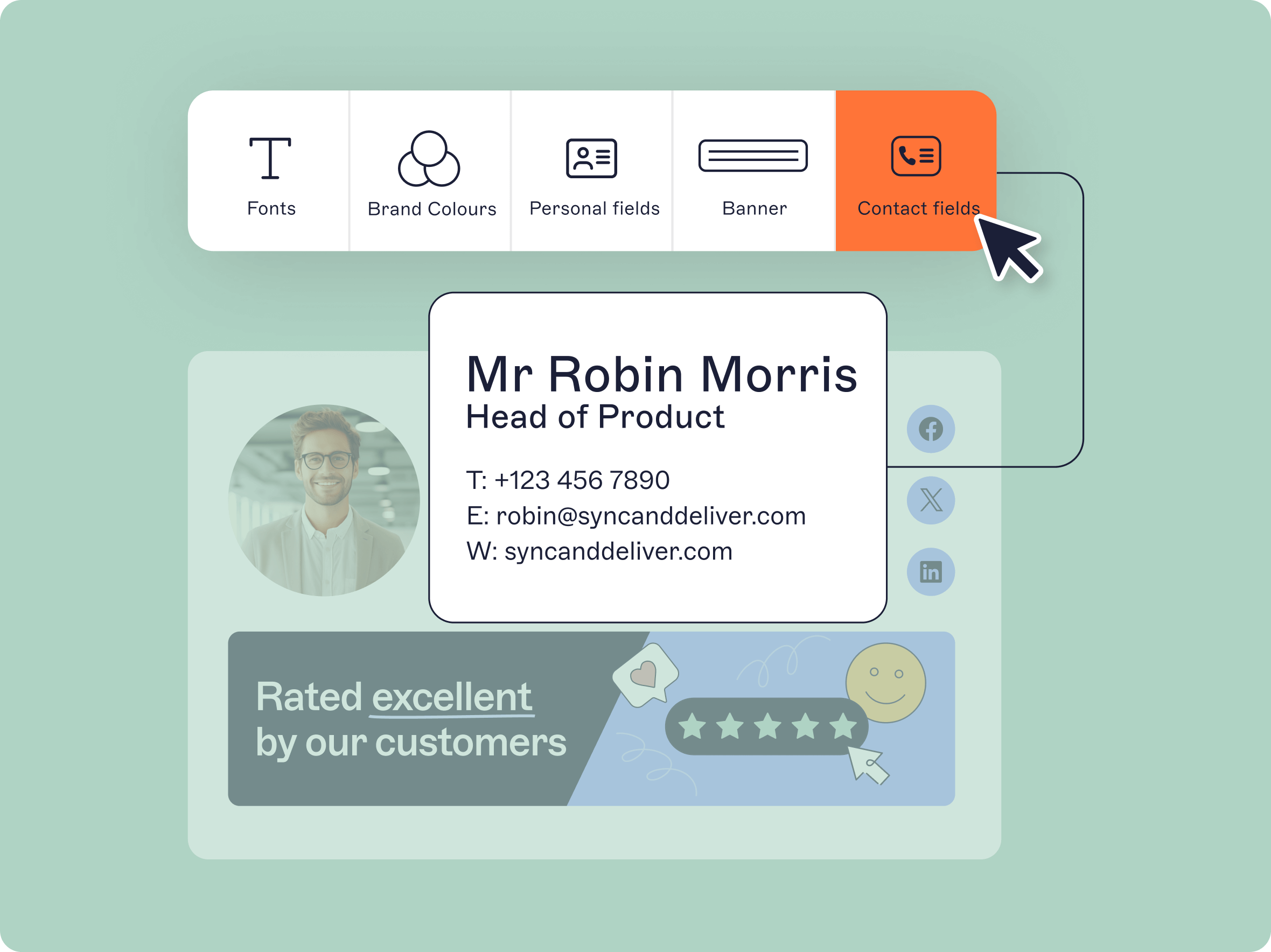
When we asked what makes a business email feel trustworthy, people named concrete, checkable things: full contact details, a professional email address on a company domain, clear company branding, a professional and branded email signature, and consistent formatting from one email to the next.
None of these depends on the recipient's mood or the cleverness of your copy. Each is a decision your organization makes, and a chance to look like the established, credible brand you are.
Where it quietly breaks down
The signals are simple to name and surprisingly hard to keep consistent.
Most businesses would say they have these basics covered. The difficulty is consistency at scale. Contact details fall out of date. A rebrand reaches the website but not everyone's email. Email signatures differ from one colleague to the next, or disappear entirely on mobile
Each small inconsistency is a crack in the impression of a single, credible organization, and it shows at the precise moment a recipient is deciding whether to trust you. It matters more than ever, too, as AI makes polished writing universal and the visible marks of a real sender do more of the work.
Make every email look the part
What a recipient sees is the part you fully control.
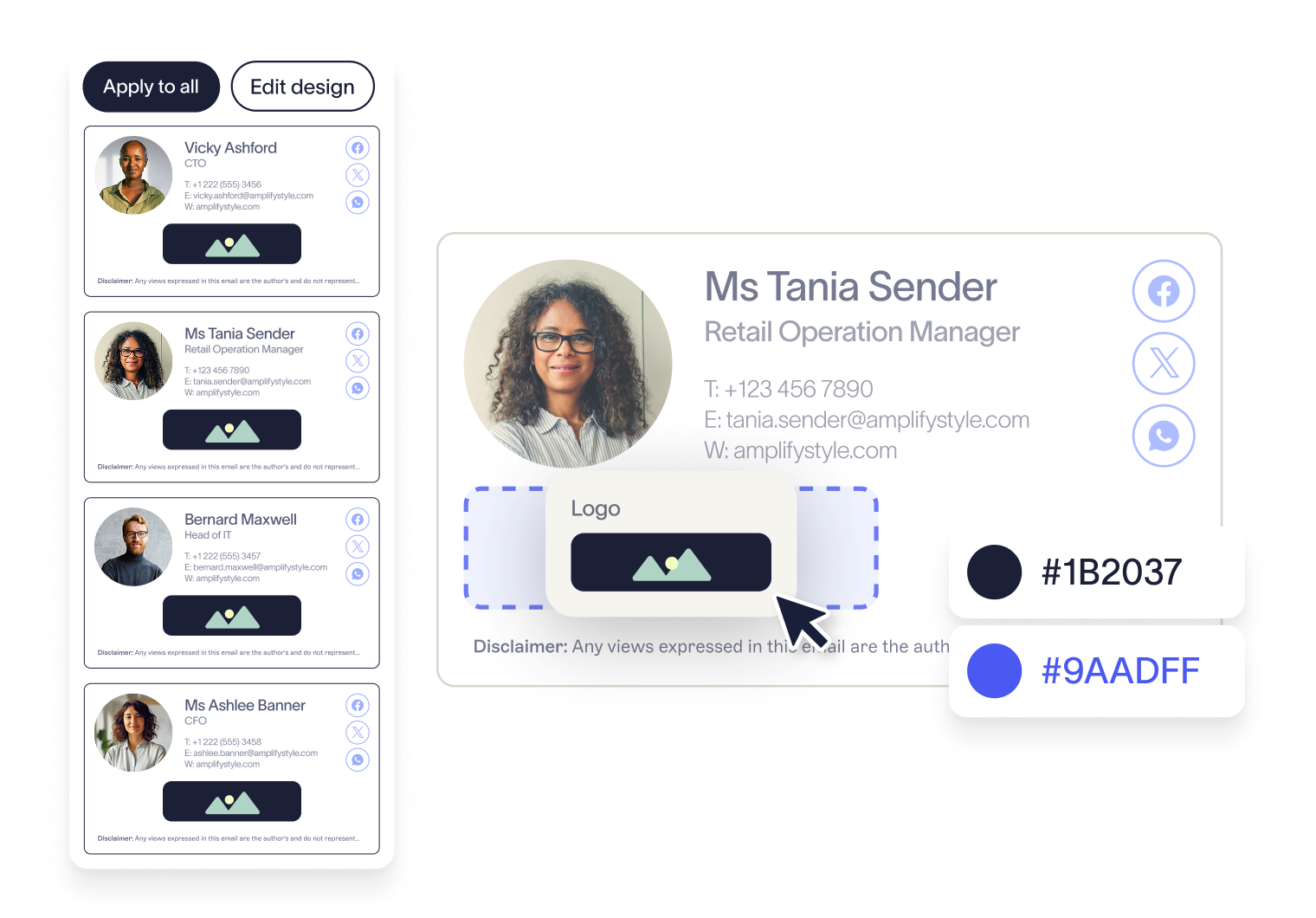
The signals that decide whether an email is trusted are the ones a business sets, and the most visible of them, attached to every single message a company sends, is the email signature. Keeping it professional, accurate, and on-brand across every employee, device, and reply is exactly the sort of thing that slips when it is left to individuals to manage.
Exclaimer applies a professional, on-brand email signature automatically to every email your organization sends, with accurate details and consistent branding on all of them, whoever hits send.
This blog is part of When it matters: How people really communicate, a report based on a survey of 2,000 adults in the UK and US conducted by OnePoll in May and June 2026. Read the full report.